Workplace accidents caused by unexpected machine startup remain one of the most serious safety risks in industrial environments. To prevent such incidents, companies around the world rely on Lockout Tagout (LOTO) procedures. One of the most important tools in a LOTO system is the lockout hasp.
Understanding how to use a lockout hasp correctly is essential for ensuring worker safety, regulatory compliance, and effective energy isolation. This guide explains what a lockout hasp is, why it is used, and provides a step-by-step explanation of proper lockout hasp usage in real industrial scenarios.
What Is a Lockout Hasp?
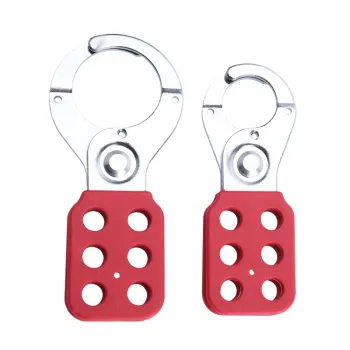
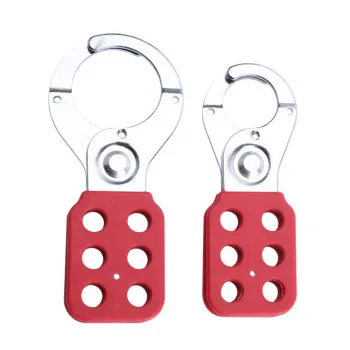
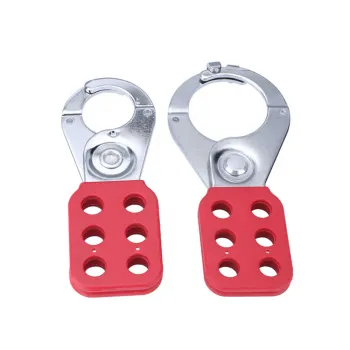
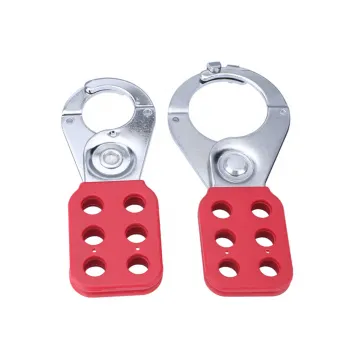
A lockout hasp is a LOTO device designed to allow multiple workers to apply their personal lockout padlocks to a single energy-isolating point. It is commonly used when more than one person is involved in servicing or maintaining equipment.
Lockout hasps are typically made from:
They feature multiple lock holes, enabling each worker to attach their own lock.
Why Is a Lockout Hasp Important?
A lockout hasp ensures that equipment cannot be re-energized until every worker has completed their task and removed their personal lock.
Key Safety Benefits
Prevents accidental startup of machinery
Ensures personal control of hazardous energy
Supports group lockout procedures
Improves accountability and safety communication
Using a lockout hasp is a best practice in compliance with OSHA Lockout Tagout standards (29 CFR 1910.147) and other international safety regulations.
When Should You Use a Lockout Hasp?
You should use a lockout hasp whenever:
More than one worker is performing maintenance or repair
Multiple shifts are involved in servicing equipment
Contractors and employees are working together
Group lockout is required for complex systems
Typical applications include electrical panels, valves, circuit breakers, and machinery control switches.
How to Use a Lockout Hasp: Step-by-Step Guide
Step 1: Identify the Energy Source
Before using a lockout hasp, identify all hazardous energy sources, such as:
Ensure the equipment is fully shut down according to standard operating procedures.
Step 2: Isolate the Energy
Operate the energy-isolating device to place the equipment in a safe OFF position. This may include:
Verify that the machine is completely de-energized.
Step 3: Apply the Lockout Hasp
Attach the lockout hasp to the energy-isolating point. The hasp physically prevents the device from being moved back to the ON position.
Ensure the hasp is securely fitted and cannot be removed without unlocking.
Step 4: Attach Individual Lockout Padlocks
Each worker involved in the task must:
This step ensures that no one can restart the equipment unless every lock is removed.
Step 5: Add Lockout Tags
Attach a lockout tag to each padlock or to the hasp. The tag should clearly state:
The worker’s name
Department or company
Reason for lockout
Date and time
Tags improve communication and reinforce accountability.
Step 6: Verify Zero Energy State
Before beginning work:
This verification step is critical and should never be skipped.
Step 7: Perform Maintenance or Service Work
With the lockout hasp and all padlocks securely in place, workers can safely perform maintenance, repairs, or inspections.
No lock should be removed until the individual who applied it has completed their task.
Step 8: Remove Locks and Restore Energy
Once work is completed:
Each worker removes their own padlock
The lockout hasp is removed only after the last lock is taken off
Energy is restored according to proper startup procedures
Common Mistakes to Avoid When Using a Lockout Hasp
Even with proper equipment, incorrect usage can compromise safety.
Common Errors
Sharing keys or using non-personal locks
Failing to use a hasp during group work
Removing another worker’s lock
Skipping verification of zero energy
Avoiding these mistakes is essential for maintaining a safe LOTO program.
Types of Lockout Hasps and Their Applications
Steel Lockout Hasps
High strength and durability
Often feature vinyl-coated handles for better grip
Suitable for heavy industrial environments
Non-Conductive Lockout Hasps
Made from plastic or nylon
Ideal for electrical applications
Reduce risk of electric shock
Aluminum Lockout Hasps
Choosing the right lockout hasp depends on the environment and type of energy being controlled.
Lockout Hasp vs Lockout Tagout Alternatives
| Device | Purpose | Best Use |
|---|
| Lockout Hasp | Group lockout | Multiple workers |
| Lockout Padlock | Individual lockout | Single worker |
| Lockout Box | Centralized control | Large teams |
| Lockout Device | Equipment-specific | Valves, breakers |
Lockout hasps remain one of the simplest and most effective tools for group lockout safety.
Best Practices for Lockout Hasp Use
Always use a lockout hasp for group maintenance tasks
Assign one personal lock per worker
Use color-coded padlocks for identification
Train employees regularly on LOTO procedures
Inspect lockout hasps for wear or damage
Consistent application of these practices strengthens overall workplace safety.
Conclusion
Understanding how to use a lockout hasp correctly is a fundamental part of an effective lockout tagout program. Lockout hasps provide a simple yet powerful solution for ensuring that hazardous energy remains isolated until every worker is safe and ready.
By following proper procedures—identifying energy sources, applying the hasp, using personal padlocks, and verifying zero energy—organizations can significantly reduce workplace accidents and ensure compliance with safety regulations.
Whether in manufacturing, electrical maintenance, oil and gas, or construction, lockout hasps play a critical role in protecting lives and maintaining a safe working environment.