Blog
Blog
January 21, 2026
What Is a Metal Lockout Padlock?
Industrial workplaces involve powerful machines, high-pressure systems, and hazardous energy sources. Without proper safety controls, equipment can be accidentally energized during maintenance, leading to serious injuries or fatalities. One of the most reliable tools used to prevent these incidents is the metal lockout padlock.
In this article, we will explain what a metal lockout padlock is, explore its origin and development, describe its main uses, and outline the industrial applications where it is most effective. This guide will help safety managers, maintenance professionals, and procurement teams understand when and why metal lockout padlocks are the right choice.
What Is a Metal Lockout Padlock?
A metal lockout padlock is a heavy-duty safety padlock designed specifically for lockout/tagout (LOTO) procedures. Unlike standard padlocks used for security or theft prevention, metal lockout padlocks are used to physically isolate hazardous energy sources during maintenance or servicing activities.
These padlocks are typically made from steel, stainless steel, or brass, offering superior mechanical strength and durability. Each lock is assigned to a single worker and is removed only by the person who applied it, ensuring full accountability and safety control.
Key Features of a Metal Lockout Padlock
High mechanical strength and impact resistance
Durable metal body for harsh environments
Available in keyed different, keyed alike, or master key systems
Compatible with group lockout devices
Designed to meet lockout/tagout safety requirements
The Origin and Development of Metal Lockout Padlocks
Early Industrial Safety Challenges
During the early stages of industrialization, factories relied heavily on mechanical systems powered by steam, electricity, and hydraulics. Maintenance was often performed without proper energy isolation, resulting in frequent accidents caused by unexpected machine startup.
Metal padlocks were among the first physical locking devices used to secure switches, valves, and control points. Their strength and reliability made them a natural solution for early safety practices.
Introduction of Lockout/Tagout Standards
In the 1980s, workplace safety regulations became more formalized. The Occupational Safety and Health Administration (OSHA) introduced the Control of Hazardous Energy standard (29 CFR 1910.147), requiring employers to implement lockout/tagout procedures.
Metal lockout padlocks quickly became a core component of LOTO programs, especially in industries where:
Equipment is large and powerful
Environmental conditions are extreme
High mechanical resistance is required
Even with the development of thermoplastic lockout padlocks, metal versions continue to play a critical role in demanding industrial settings.
What Are Metal Lockout Padlocks Used For?
The primary purpose of a metal lockout padlock is to prevent the accidental release of hazardous energy while work is being performed on equipment.
Main Functions
Physically locks energy-isolating devices in the OFF or safe position
Prevents unauthorized or accidental operation
Clearly identifies the worker responsible for the lockout
Supports compliance with OSHA and international safety standards
Metal lockout padlocks are especially valuable in situations where strength, durability, and long-term reliability are essential.
Common Industrial Applications of Metal Lockout Padlocks
1. Heavy Manufacturing and Industrial Plants
Metal lockout padlocks are widely used in heavy manufacturing environments, including:
Metal stamping and forging equipment
Presses and rolling mills
Large conveyor systems
CNC machines and industrial lathes
These facilities often involve high vibration and frequent mechanical impact, making metal locks the preferred option.
2. Oil, Gas, and Chemical Industries
In oil refineries and chemical processing plants, equipment is exposed to:
High temperatures
Oil, grease, and chemical residues
Outdoor and hazardous environments
Metal lockout padlocks are used for locking:
Valves and pipelines
Pumps and compressors
Process isolation points
Their durability ensures consistent performance even under extreme conditions.
3. Mining, Construction, and Heavy Equipment
Mining and construction operations rely on powerful mobile and stationary equipment. Metal lockout padlocks are ideal for:
Crushers and drilling machines
Conveyors and hoisting systems
Heavy construction machinery
Their resistance to shock and wear makes them suitable for rugged, high-risk environments.
4. Utilities and Infrastructure Facilities
Public infrastructure and utility systems require dependable lockout solutions for:
Water treatment plants
Power generation facilities
Railways and ports
Metal lockout padlocks are commonly used outdoors, where exposure to weather and mechanical stress is unavoidable.
5. Group Lockout and High-Risk Scenarios
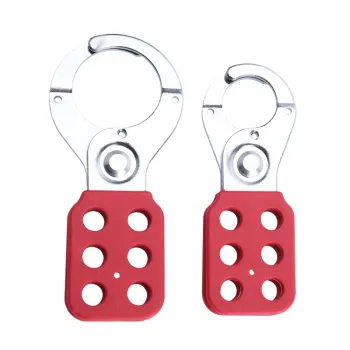
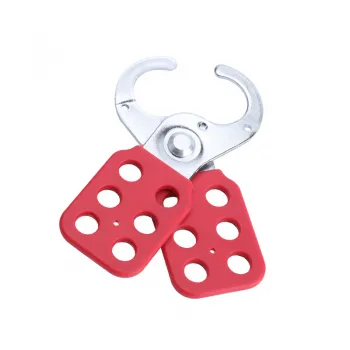
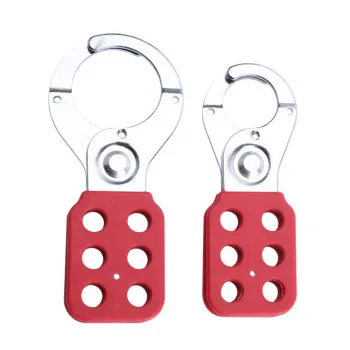
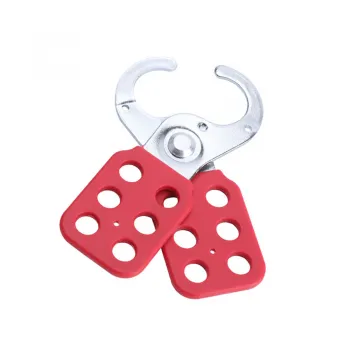
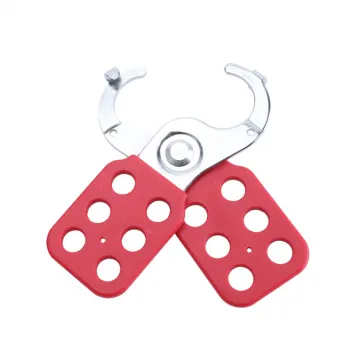
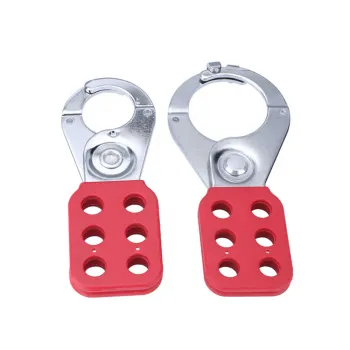
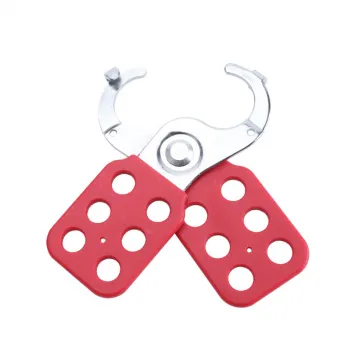
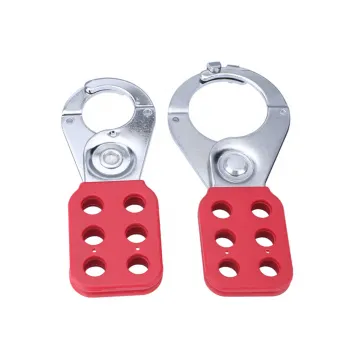
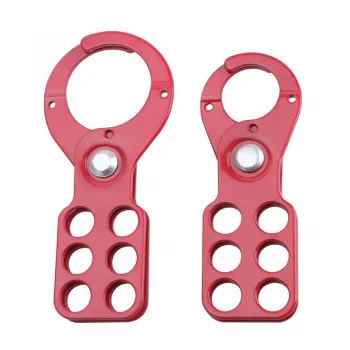
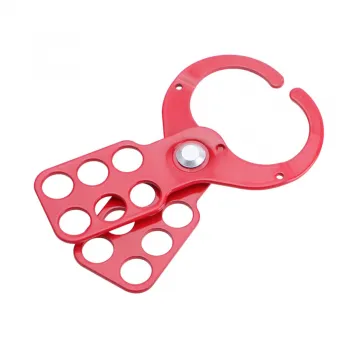
Metal lockout padlocks are frequently used in group lockout applications, where multiple workers must secure a single energy source. Their strength and compatibility with lockout hasps and group lock boxes make them ideal for complex maintenance projects.
Advantages of Metal Lockout Padlocks
Choosing a metal lockout padlock offers several important advantages:
Superior Strength
Metal construction provides excellent resistance to cutting, impact, and forced removal.
High Temperature Resistance
Metal locks perform reliably in environments with extreme heat or cold.
Long Service Life
Designed for repeated use in demanding conditions, metal lockout padlocks have a longer lifespan than many alternatives.
Versatile Material Options
Available in brass, steel, and stainless steel to suit different environments and corrosion requirements.
Metal Lockout Padlock vs. Thermoplastic Lockout Padlock
Both metal and thermoplastic lockout padlocks play important roles in LOTO systems.
Feature | Metal Lockout Padlock | Thermoplastic Lockout Padlock |
Mechanical Strength | Very high | Moderate |
Electrical Insulation | Limited | Excellent |
Environmental Resistance | Excellent | Very good |
Weight | Heavier | Lightweight |
Best Use Case | Harsh, high-impact environments | Electrical and general maintenance |
Understanding these differences helps organizations select the right lock for each application.
How to Choose the Right Metal Lockout Padlock
When selecting a metal lockout padlock, consider the following factors:
Material Type
Brass: Corrosion resistant, non-sparking
Steel: Maximum strength
Stainless Steel: Best for outdoor or corrosive environments
Shackle Size and Design
Ensure compatibility with lockout devices and energy isolation points.
Keying System
Keyed different for individual control
Keyed alike for convenience
Master key for supervisory access
Compliance Requirements
Confirm that the padlock supports OSHA LOTO guidelines and your company’s safety policies.
Jan. 22, 2026
What Is a Dustproof Padlock?Jan. 21, 2026
What Is a Metal Lockout Padlock?