Blog
Blog
January 24, 2026
In industrial environments, workplace safety is a top priority—especially during equipment maintenance and repair. One of the most effective safety systems used worldwide is Lockout Tagout (LOTO). Within this system, the aluminum lockout hasp is a critical device for preventing accidental machine startup.
This article provides a complete, SEO-optimized explanation of what an aluminum lockout hasp is, how it works, its advantages, applications, and why it is widely used in modern LOTO safety programs.
Lockout Tagout is a safety procedure designed to control hazardous energy during servicing and maintenance. OSHA regulations clearly state that machinery must be isolated from energy sources and secured to prevent unexpected energization.
A lockout hasp is one of the most commonly used LOTO devices. When made from aluminum, it becomes an aluminum lockout hasp, offering a lightweight yet durable solution for group lockout applications.
Because of its corrosion resistance, strength, and ease of use, the aluminum lockout hasp is widely used in manufacturing, electrical maintenance, chemical plants, and other industrial environments.
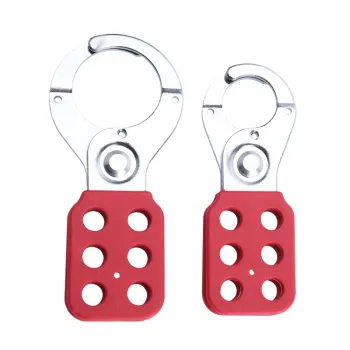
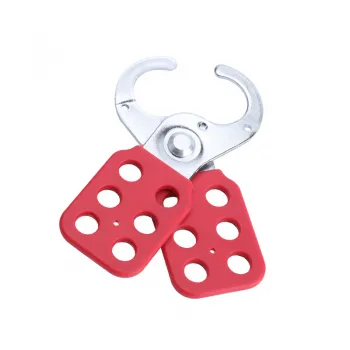
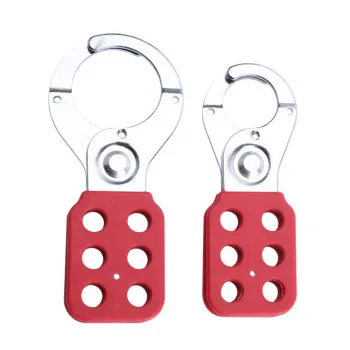
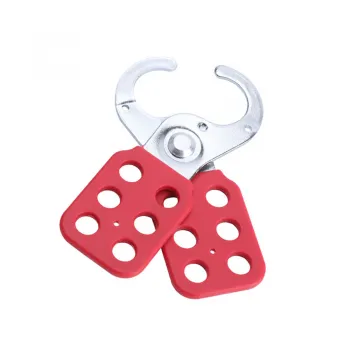
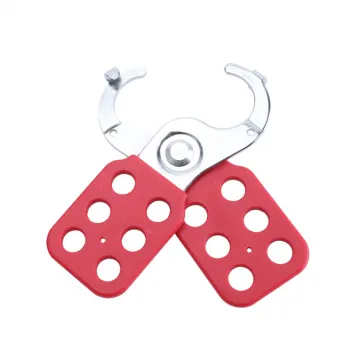
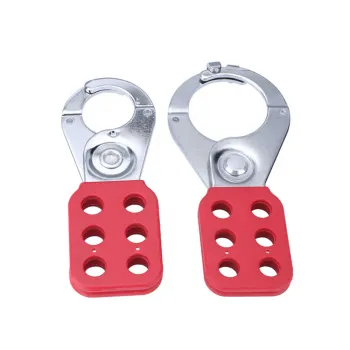
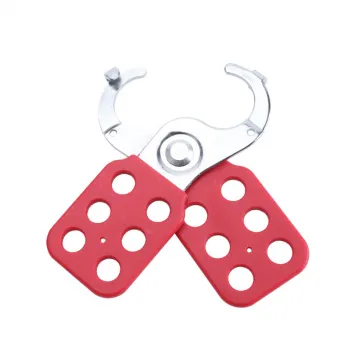
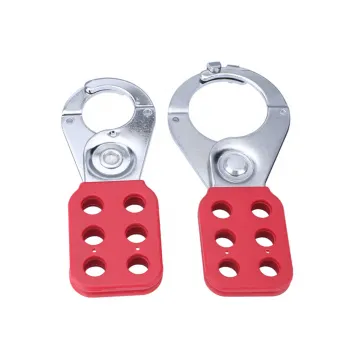
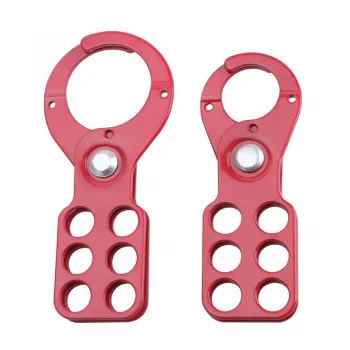
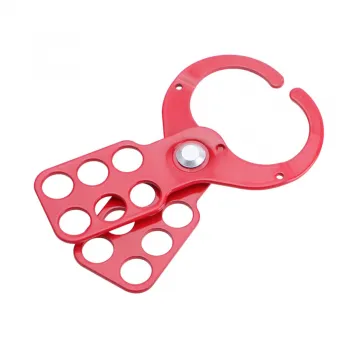
An aluminum lockout hasp is a safety lockout device designed to allow multiple padlocks to be attached to a single energy isolation point. It is manufactured from high-quality aluminum alloy and is commonly used in Lockout Tagout (LOTO) systems.
A lockout hasp connects to a switch, valve, breaker, or other isolation point
Multiple workers attach their personal safety padlocks
Equipment cannot be re-energized until all padlocks are removed
This makes the aluminum lockout hasp essential for group lockout procedures, where more than one person is involved in maintenance work.
The working principle of an aluminum lockout hasp is simple but highly effective:
Equipment is shut down and isolated from its energy source
The aluminum lockout hasp is applied to the isolation point
Each authorized employee places their safety padlock on the hasp
The equipment remains locked until the final worker removes their lock
This process ensures accountability and eliminates the risk of accidental startup.
Compared to steel lockout hasps, an aluminum lockout hasp is much lighter. This reduces worker fatigue and improves efficiency during frequent lockout operations.
Aluminum lockout hasps naturally resist rust and corrosion, making them ideal for:
Outdoor use
Humid environments
Chemical and oil facilities
Water treatment plants
Despite being lightweight, aluminum lockout hasps provide sufficient mechanical strength for industrial LOTO applications.
Due to their durability and low maintenance requirements, aluminum lockout hasps offer excellent long-term value.
A high-quality aluminum lockout hasp typically includes:
6-hole or 8-hole group lockout design
Anodized aluminum surface for durability
Smooth edges for operator safety
Compatibility with standard safety padlocks
Compact and portable structure
These features make aluminum lockout hasps suitable for daily industrial use.
When choosing a lockout hasp, material selection is crucial.
| Lockout Hasp Material | Advantages | Disadvantages |
|---|---|---|
| Aluminum Lockout Hasp | Lightweight, corrosion-resistant, durable | Slightly less strong than steel |
| Steel Lockout Hasp | Very high strength | Heavy, rust-prone |
| Nylon Lockout Hasp | Non-conductive | Limited load capacity |
For most LOTO safety programs, the aluminum lockout hasp provides the best balance between performance and usability.
Aluminum lockout hasps are widely used in many industries:
Used to lock out machinery during repairs and inspections.
Ideal for circuit breakers, control panels, and switchgear.
Aluminum lockout hasps resist corrosion in harsh environments.
Used to secure pumps, valves, and processing equipment.
Essential when multiple workers must lock out the same equipment.
While OSHA does not certify individual LOTO devices, aluminum lockout hasps are widely used to support compliance with:
OSHA 29 CFR 1910.147
Lockout Tagout safety procedures
Company-specific safety programs
Using proper lockout devices such as aluminum lockout hasps helps demonstrate compliance and improves audit readiness.
Implementing aluminum lockout hasps in a LOTO program helps to:
Prevent accidental energization
Improve group lockout accountability
Reduce workplace injuries
Enhance safety culture
Minimize downtime caused by accidents
A reliable aluminum lockout hasp is a small investment with a significant impact on safety.
When selecting an aluminum lockout hasp, consider:
Number of lock holes (6 or 8)
Opening diameter to match isolation points
Environmental conditions (indoor or outdoor use)
Customization options such as color or logo
Compatibility with safety padlocks
Choosing the right aluminum lockout hasp ensures effective and compliant lockout procedures.
Is an aluminum lockout hasp suitable for heavy industrial use?
Yes, industrial-grade aluminum lockout hasps are designed for demanding environments.
Can aluminum lockout hasps be used outdoors?
Yes, their corrosion resistance makes them ideal for outdoor applications.
How many padlocks can an aluminum lockout hasp hold?
Most aluminum lockout hasps support 6 to 8 safety padlocks.
Are aluminum lockout hasps part of OSHA-compliant LOTO systems?
Yes, they are commonly used in OSHA-compliant lockout tagout programs.
So, what is an aluminum lockout hasp?
It is a lightweight, corrosion-resistant, and durable lockout device designed to improve safety during Lockout Tagout procedures.
By supporting group lockout, enhancing accountability, and preventing accidental startup, aluminum lockout hasps play a critical role in industrial safety systems worldwide.
Jan. 22, 2026
What Is a Dustproof Padlock?Jan. 21, 2026
What Is a Metal Lockout Padlock?